2.01.2020

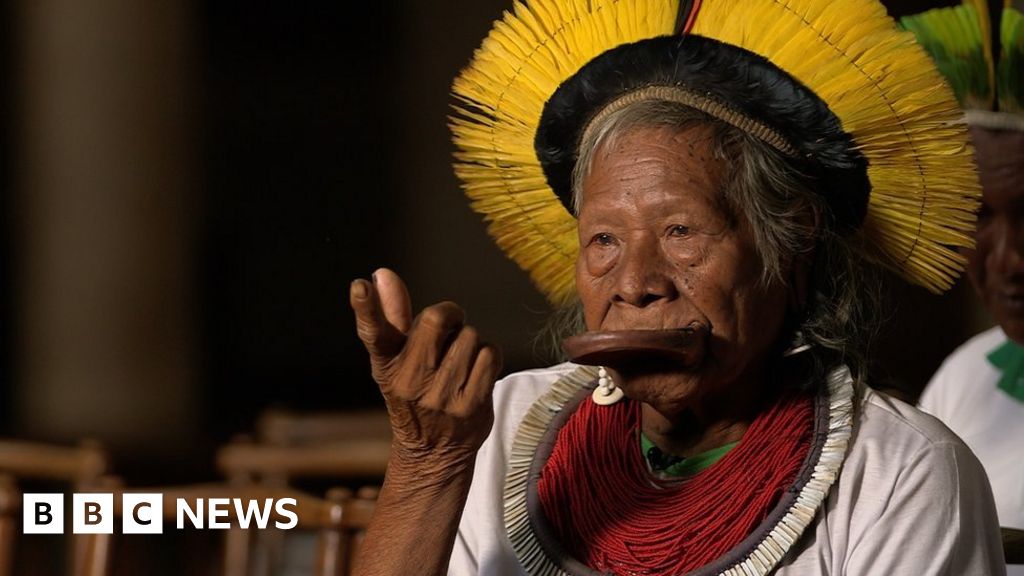
Amazon rainforest: A 90-year-old man tries to stop the destruction

Newsnight rarely had access to a unique gathering of a generation of indigenous groups trying to save the Amazon.

Environmental activists and indigenous groups claim that the policies of Brazilian populist leader Jair Bolsonaro have contributed significantly to the destruction of the rainforest.

Chef Raoni Metuktire is now visiting the UK for international support for his plan. He sat down with Newsnight's international editor, Gabriel Gatehouse.

You can watch the full episode of Newsnight here

Let's block the ads! (Why?)

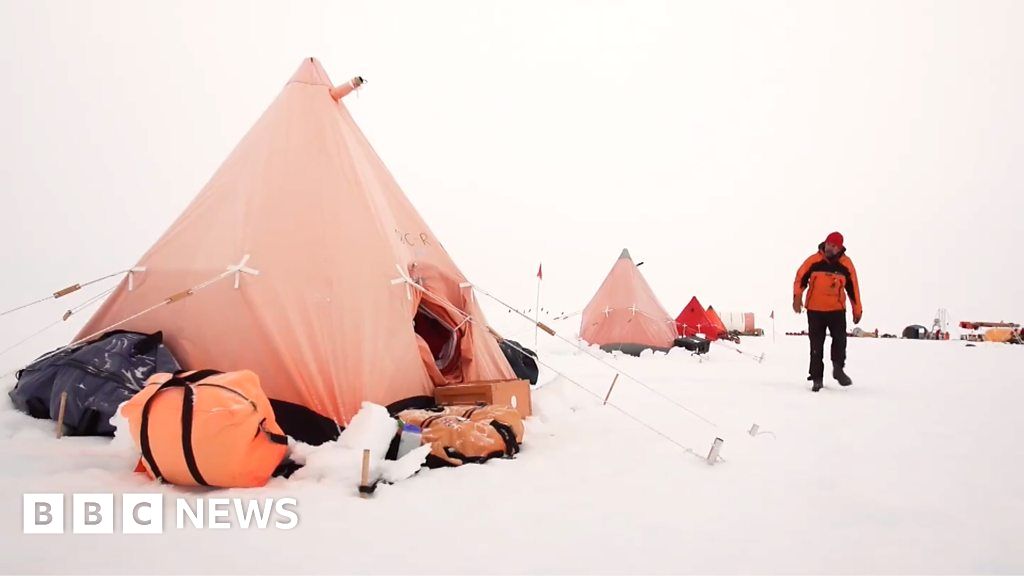
Could you run the most remote campsite in the world?

To better understand how sea levels can rise worldwide, scientists are camping in Antarctica.

Everything is a cold struggle to keep your feet warm and use the toilet.

It's one of the most remote places on earth, and so BBC environmental correspondent Justin Rowlatt went to find out what it looks like.

Video journalist: Jemma Cox

Let's block the ads! (Why?)

1.30.2020

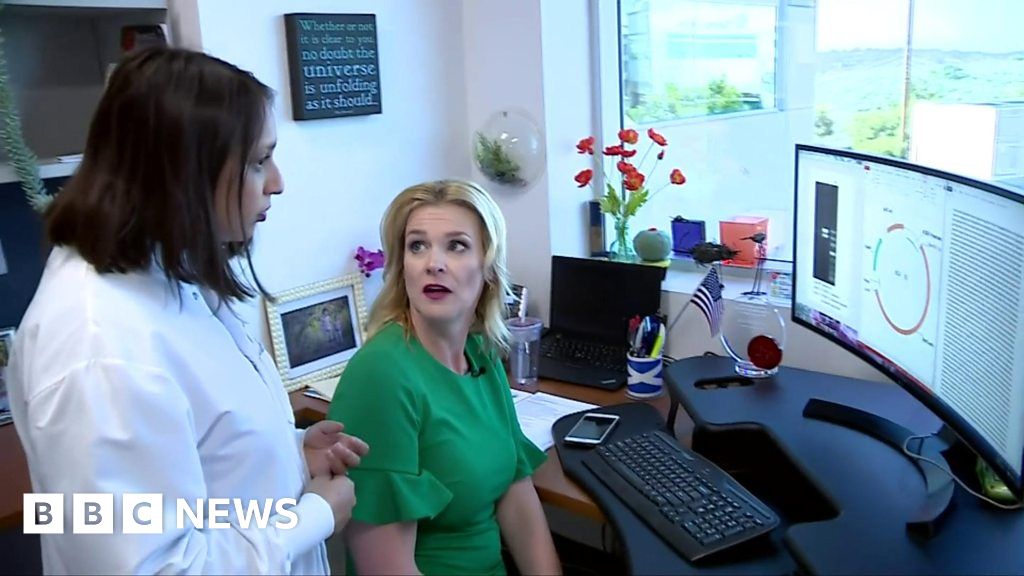
Coronavirus: the American laboratory that develops a vaccine

US scientists told the BBC that they could launch a new coronavirus vaccine in China before the end of the year.

The pharmaceutical company Inovio is one of the many research institutions that are urgently trying to develop a vaccine as cases continue to increase in China.

The BBC's global health correspondent, Tulip Mazumdar, entered his laboratory in San Diego.

Read more : Scientists are hurrying to develop vaccines

Let's block the ads! (Why?)

1.29.2020

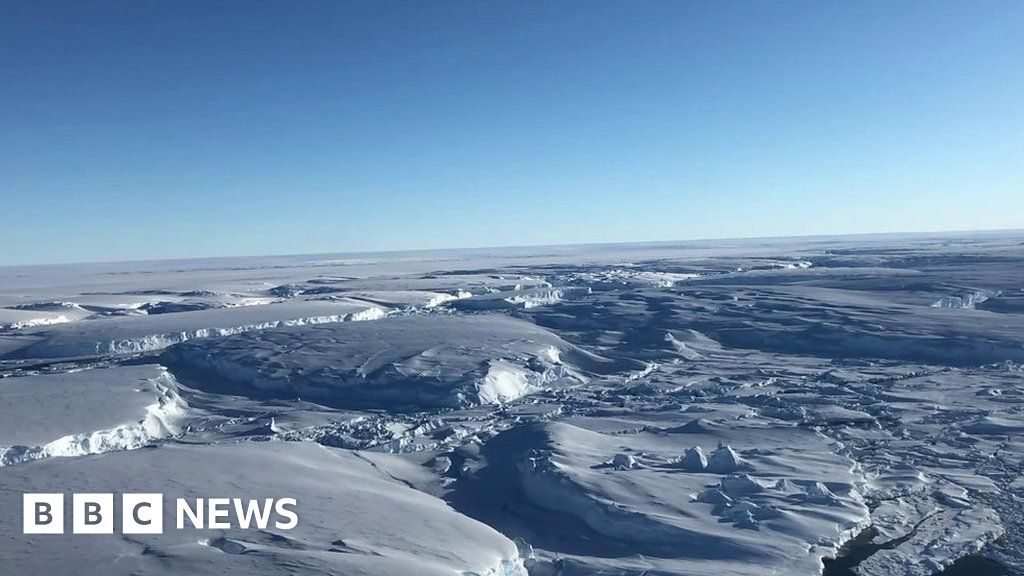
Antarctic melt: Excursion to the apocalyptic glacier

Glaciologists have called the Thwaites Glacier the "most important" glacier in the world, the "most risky" glacier and even the "apocalyptic" glacier.

Scientists from Great Britain and the USA are studying changes in glaciers as part of the Thwaites Glacier International Collaboration.

BBC chief environmental correspondent Justin Rowlatt visited the project.

Let's block the ads! (Why?)

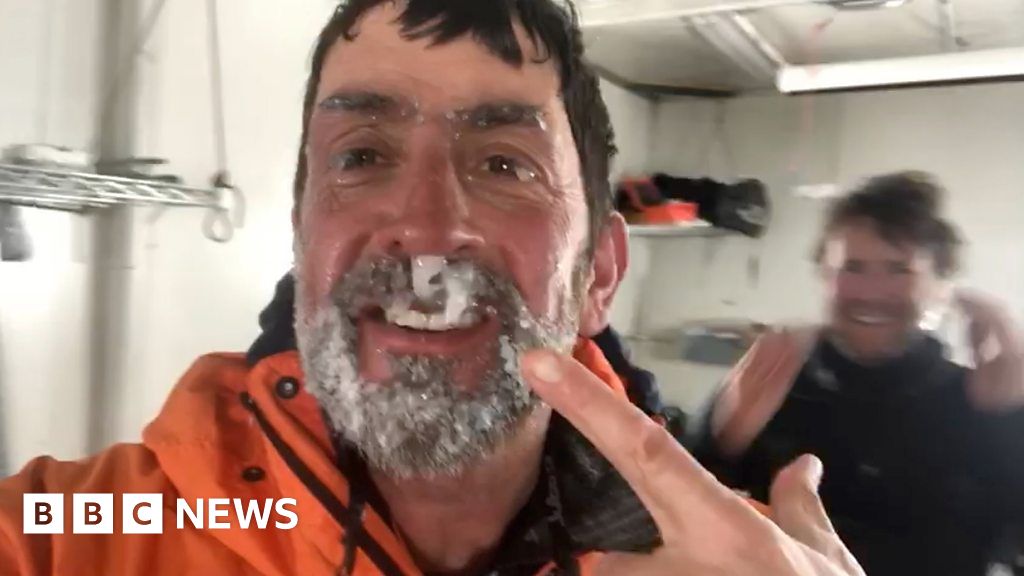
Snot and drifting snow: extreme climate science

"Snotsicle" - clearly unattractive amounts of frozen mucus - are just a few of the challenges facing science in a place as extreme as Antarctica.

Scientists fear a catastrophic collapse of the Thwaites glacier.

West Antarctic ice has a potential sea level rise of more than three meters, enough to flood many large cities around the world and drive hundreds of millions of people out of their homes.

The BBC's main environmental correspondent, Justin Rowlatt, has traveled with a team of scientists who are part of a US $ 50 million (£ 38 million) joint project between the United States and the United Kingdom.

But as he found out, doing science in one of the most extreme environments on earth is not easy.

Jemma Cox films

Let's block the ads! (Why?)

1.28.2020

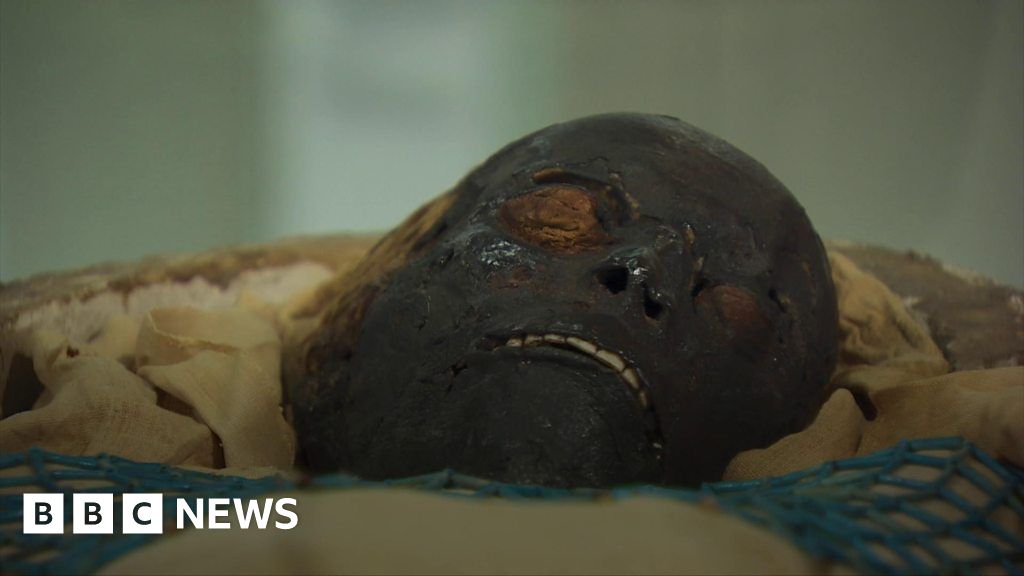
"It is surprising that she died violently"

According to recent avant-garde tests, Takabuti, an Egyptian mummy that has been in the Ulster Museum since 1835, appears to have been killed by stab wounds in the back.

In addition, scientists believe that she can't even be Egyptian, since DNA tests have shown that she is genetically more similar to Europeans than modern Egyptians.

The results will be published on the 185th anniversary of their unpacking.

Let's block the ads! (Why?)

1.25.2020

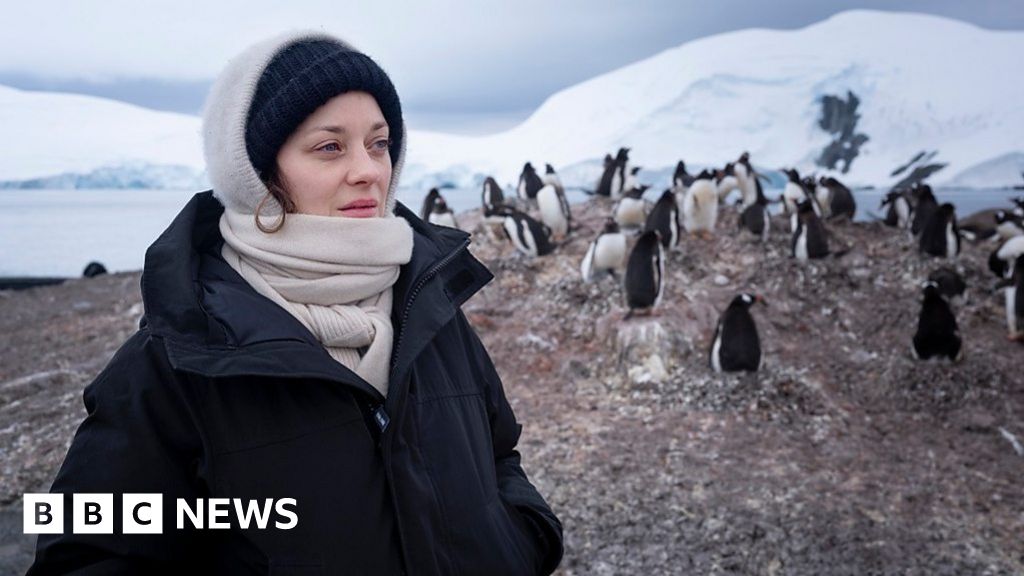
Climate change: "We are not perfect," says Marion Cotillard on a trip to Antarctica

Actress Marion Cotillard traveled to Antarctica with Greenpeace to find out how climate change, plastic waste and industrial fishing are harming wildlife.

"As virgin as it sounds, even a remote place like this is affected by harmful human activities," he said.

During his trip he spoke to the Victoria Derbyshire program about the "big" environmental problem of the film industry.

Watch the Victoria Derbyshire program on BBC Two and the BBC News Channel from 10 a.m. to 11 a.m. GMT and learn more about our stories here.

Let's block the ads! (Why?)